When chronic pain has been part of your life for months or years, treatment can start to feel like an endless cycle: Try a medication, wait, adjust the dose, add physical therapy, get temporary relief, and then watch the pain return.
What if you tried something different? What if the next step isn’t simply another pain pill?
Some advanced pain treatments at International Spine, Pain & Performance Center, such as transcranial magnetic stimulation (TMS) and infusion therapy, affect how your nervous system processes pain, rather than focusing exclusively on the part of your body that hurts.
Read on as our team explains how TMS and infusion therapy can transform your life.
How TMS can change the way your brain processes pain
TMS is a noninvasive form of neuromodulation. “Neuromodulation” simply means changing or influencing your nervous system.
During treatment, our team places a specialized coil against your scalp. The coil delivers magnetic pulses to specific areas of your brain. These pulses influence the activity of nerve cells within brain networks involved in functions such as mood and pain processing.
No incision, injection, implanted device, or anesthesia is required. You remain awake throughout the session and typically can return to your usual activities afterward.
Research also suggests that the benefits of repeat TMS sessions may extend well beyond the initial treatment period. In one long-term study, repeated TMS sessions maintained pain-relieving effects for up to 10 years in certain people who responded to treatment.
TMS is also well-established for certain mental health conditions, including major depressive disorder. This is an added advantage for anyone struggling with both chronic pain and depression.
How infusion therapy approaches pain differently
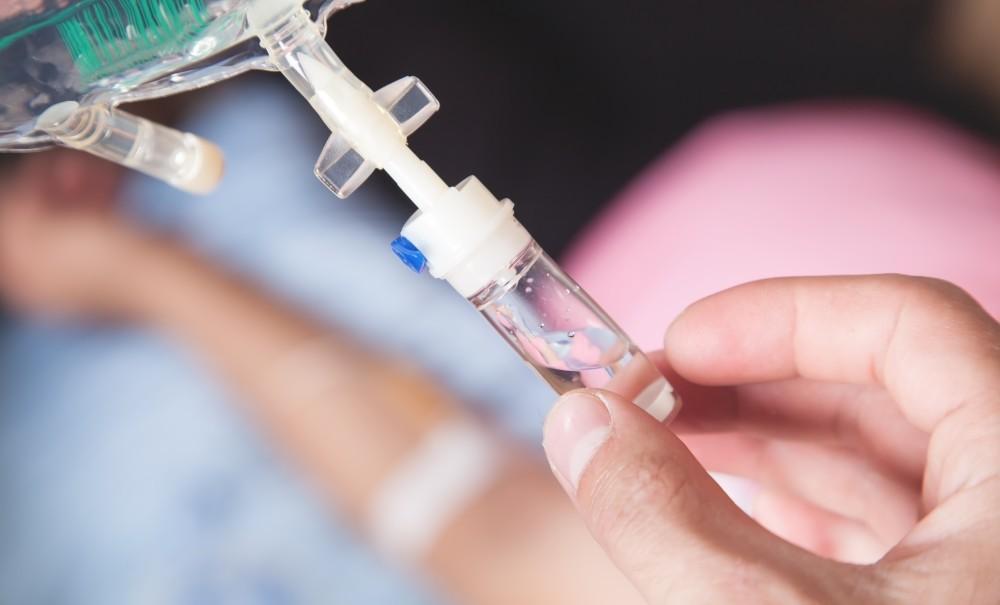
Infusion therapy delivers medication directly into your bloodstream through an IV. This delivery method allows the medication to circulate throughout your body and target pathways involved in pain signaling.
At International Spine, Pain & Performance Center, we offer two types of infusion therapy for chronic pain:
Ketamine infusions
Ketamine acts in part on your NMDA receptors, which influence how your nervous system processes pain. Ketamine interacts with these pathways and may help reduce abnormal pain signaling and central sensitization in certain chronic and neuropathic pain conditions.
Lidocaine infusions
You may recognize lidocaine as a local anesthetic used to numb an area before a procedure. But when administered intravenously, lidocaine can affect overactive nerve signaling throughout the body. IV lidocaine may help reduce certain types of neuropathic and chronic pain.
We administer both treatments in a controlled clinical setting with medical monitoring. We determine which infusion may be appropriate based on your diagnosis, health history, medications, previous treatments, and individual response to therapy.
TMS vs. infusion therapy: What's the difference?
Both treatments can influence the nervous system, but they approach it in very different ways.
TMS works from the outside. Magnetic pulses stimulate targeted areas of your brain without medication entering your bloodstream.
Infusion therapy works from the inside. IV-delivered medication circulates through your body and acts on specific biological pathways involved in pain.
Neither treatment is automatically better than the other. Your diagnosis, type of pain, medical history, medications, previous treatment response, and personal goals all help us determine whether one of these therapies deserves consideration.
For some people, we may recommend advanced treatments alongside physical rehabilitation, medications, injections, psychological support, or other components of a comprehensive pain-management plan.
Discover a different approach to chronic pain
If you’ve been living with persistent pain despite trying multiple treatments, you don’t necessarily have to keep repeating the same strategies.
At International Spine, Pain & Performance Center in Washington, DC, and Arlington, Virginia, or at our Mountain Spine & Pain location in Pulaski, Virginia, we look beyond where you hurt to understand the biological and neurological processes driving your symptoms.
From noninvasive neuromodulation with TMS to medically supervised infusion therapy, we can help determine which advanced options may fit into your personalized treatment plan.
Give us a call or use the “Request Appointment” button to get started.